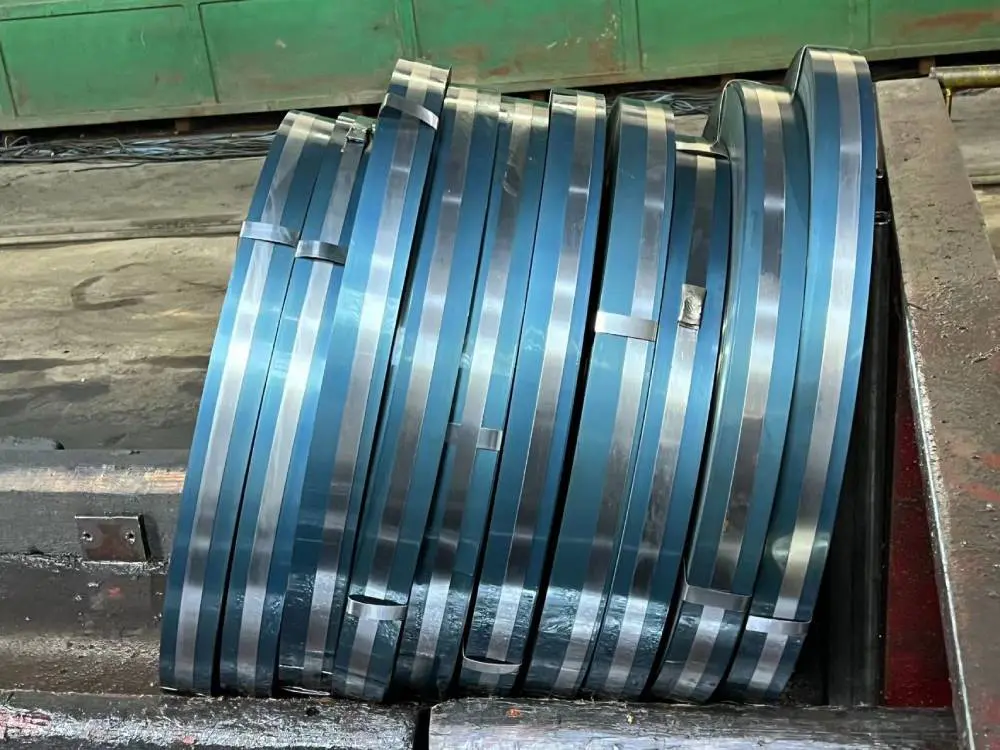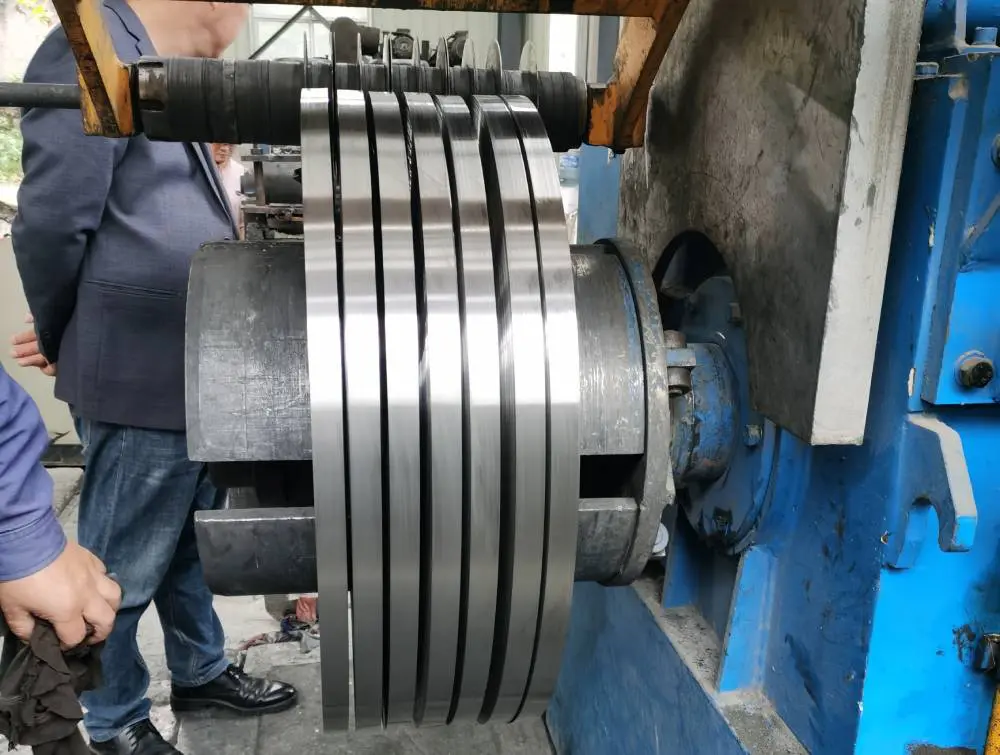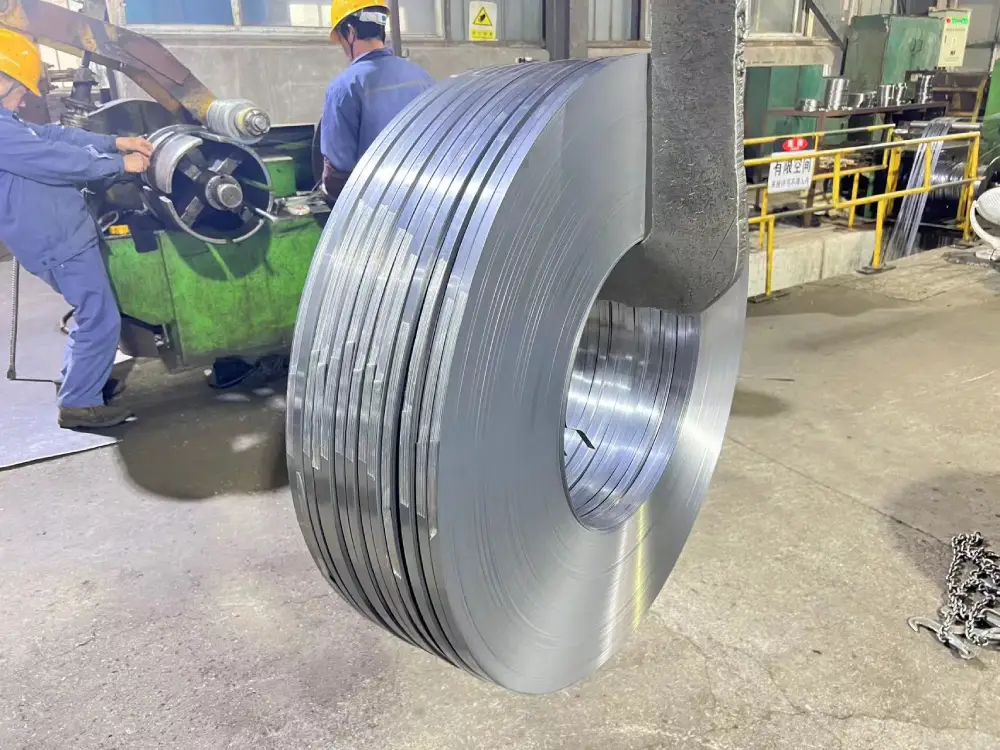

High carbon stainless steel sheets are widely used in industries like tool-making, knife production, và xây dựng. They combine the hardness and strength of high carbon steel with the corrosion resistance of stainless steel. This unique balance of qualities makes them a popular choice for demanding applications. But what exactly does it mean, and what are its uses and benefits?
This blog explains high carbon stainless steel in simple terms. We’ll cover what it is, how it differs from other steels, and why it’s a popular choice for many uses.
What is High Carbon Stainless Steel?
High carbon stainless steel is a unique hybrid material. It combines a high carbon content, typically over 0.5%, with at least 10.5% crom. The carbon increases hardness and strength, while the chromium offers rust and corrosion resistance. This blend makes it durable and reliable for various applications.
Key Elements of High Carbon Stainless Steel:
- Carbon: The carbon content in this type of steel is higher than in standard stainless steels, giving it increased hardness and edge retention.
- crom: The chromium content forms a passive oxide layer on the surface, protecting the steel from rust and corrosion.
Other Elements: Other alloying elements, such as nickel, molypden, or vanadium, may be added to improve toughness, độ bền, or resistance to wear.
How Does High Carbon Stainless Steel Compare to Other Types of Steel?
Thép cacbon cao
High carbon steel is known for its hardness and ability to hold a sharp edge, but it is prone to rust due to its lack of chromium. It’s widely used in knives, công cụ, and industrial applications where strength and durability are needed. Tuy nhiên, without regular maintenance or protective coatings, it can corrode in wet or humid environments.
Standard Stainless Steel
Thép không gỉ, with lower carbon content and at least 10.5% crom, is highly resistant to rust and corrosion. It is commonly used in kitchen appliances, medical instruments, và xây dựng. Stainless steel is ductile and highly resistant to corrosion. Tuy nhiên, it usually lacks the hardness and edge retention of high carbon steel.
Thép không gỉ cacbon cao
High carbon stainless steel strikes a balance between the two. By combining the hardness and edge retention of thép cacbon cao with the corrosion resistance of stainless steel, this material is an excellent choice for products that require both durability and resistance to rust.
Applications of High Carbon Stainless Steel sheets
Thép không gỉ carbon cao được sử dụng trong nhiều loại sản phẩm, bao gồm:
- Dao và Dao Kéo: Có lẽ ứng dụng phổ biến nhất của Hợp kim Carbon cao chống gỉ là trong dao làm bếp và dao kéo chuyên nghiệp. Chất liệu giúp lưỡi dao giữ được cạnh sắc lâu hơn, trong khi hàm lượng crom của nó ngăn ngừa rỉ sét ngay cả khi tiếp xúc thường xuyên với độ ẩm.
- Dụng cụ công nghiệp: Dụng cụ cần chịu mài mòn, chẳng hạn như lưỡi cưa, búa, và đục, thường sử dụng thép không gỉ carbon cao. Độ cứng của nó giúp công cụ duy trì hình dạng và độ sắc nét theo thời gian.
- Dụng cụ y tế: Dụng cụ phẫu thuật đòi hỏi độ sắc bén và cũng phải được vô trùng, chống gỉ, làm cho thép không gỉ có hàm lượng carbon cao trở thành vật liệu hoàn hảo cho dao mổ, cái kẹp, và các nhạc cụ khác.
- Phụ tùng máy móc: Trong môi trường mà các bộ phận tiếp xúc với điều kiện khắc nghiệt, High-Strength Stainless Steel with Carbon is often used for components that need to be both strong and rust-resistant.
Advantages of High Carbon Stainless Steel
- Increased Hardness: The high carbon content increases the hardness of the steel, making it more wear-resistant and capable of holding a sharper edge than lower carbon steels.
- Kháng ăn mòn: Thanks to its chromium content,High Carbon Steel with Stainless Properties resists rust and corrosion, making it suitable for both indoor and outdoor applications.
- Độ bền: Premium High Carbon Stainless Alloy offers excellent durability, making it an ideal choice for applications where long-lasting performance is required.
- Giữ chân cạnh: For knives and blades, edge retention is crucial, and high carbon stainless steel excels in this area, allowing the tool to stay sharper for longer periods.
Nhược điểm của thép không gỉ carbon cao
- độ giòn: Trong khi thép không gỉ có hàm lượng carbon cao cứng hơn thép không gỉ có hàm lượng carbon thấp hơn, nó cũng giòn hơn, có nghĩa là nó có thể sứt mẻ hoặc nứt dưới áp lực cực độ.
- Trị giá: Do quy trình sản xuất phức tạp và sự kết hợp của các đặc tính mong muốn, Thép chống ăn mòn có xu hướng đắt hơn thép không gỉ hoặc thép carbon tiêu chuẩn.
Cách chăm sóc thép không gỉ có hàm lượng carbon cao
Mặc dù Thép không gỉ có hàm lượng carbon cao chống gỉ và ăn mòn, nó vẫn cần được chăm sóc thích hợp để đảm bảo tuổi thọ:
- Vệ sinh thường xuyên: Sau khi sử dụng, làm sạch vật liệu bằng nước và lau khô kỹ để tránh đọng nước hoặc tích tụ.
- Tránh điều kiện khắc nghiệt: Giữ vật liệu tránh xa môi trường axit, nước mặn, và độ ẩm quá mức khi có thể.
- bôi dầu: Thỉnh thoảng bôi một lớp dầu nhẹ có thể bảo vệ thép tốt hơn, đặc biệt đối với lưỡi dao và dụng cụ.
Phần kết luận
Tấm thép không gỉ carbon cao là vật liệu đa năng. Họ kết hợp sức mạnh, độ cứng, và giữ cạnh từ carbon với khả năng chống gỉ từ crom. Sự pha trộn độc đáo này làm cho chúng trở nên lý tưởng cho dao, công cụ, và sử dụng công nghiệp. Mặc dù chúng có thể đắt hơn và hơi giòn, độ bền và khả năng chống ăn mòn của chúng làm cho chúng trở thành một lựa chọn có giá trị.